What Is Transactional Direct Mail? Definition and 10 Uses
Transactional direct mail is mail sent to complete a transaction or exchange with an individual customer – essentially, any mail not sent for marketing purposes. It covers a wide range of applications, from order confirmations and invoices to renewal notices and welcome letters, and although these mailings aren’t marketing, they still need to be well constructed to keep customers happy and returning. Below is a detailed description of ten of the most common uses.
| Use | Purpose |
|---|---|
| 1. Thank-you letters | Builds emotional rapport and loyalty after an order |
| 2. Order receipts | Confirms the purchase, items and total cost |
| 3. Account change confirmations | Physical evidence that changes were made and applied |
| 4. Account updates | Round-ups of recent account activity and notifications |
| 5. Invoices | A formal paper record of what is owed and why |
| 6. Statements | Monthly and annual breakdowns of an account’s figures |
| 7. Collection letters | Urgent demands for action on unpaid debts |
| 8. Renewals | Notice that a membership is renewing or expiring |
| 9. Terms and conditions changes | Makes customers aware of updated agreements to review and re-sign |
| 10. Welcome letters | Instant confirmation and a warm start for new registrations |
The 10 Uses of Transactional Direct Mail
1. Saying Thank You to a Customer
A simple yet very useful application. Thanking a customer for their loyalty or a recent order adds a big personal touch to your overall strategy, building emotional rapport that leaves them wanting to shop with you again.
2. Confirming Receipt of an Order
When a customer completes a purchase, transactional mail confirms the order, listing what they’ve bought and the total cost. It also prompts the customer to keep their address information current with you – valuable data further down the line.
3. Confirming Changes to an Account
When you or your customer changes an account, transactional mail confirms it and notifies the customer in case they didn’t make the change themselves. This reassures customers that recent changes are confirmed and in effect, backed by physical evidence.
4. Account Updates
Other account updates – such as a new follower on social media or a general notification – can also arrive by transactional mail. It’s highly adaptable: recipients can set how often they receive these round-ups of the latest activity on their account.
5. Invoices
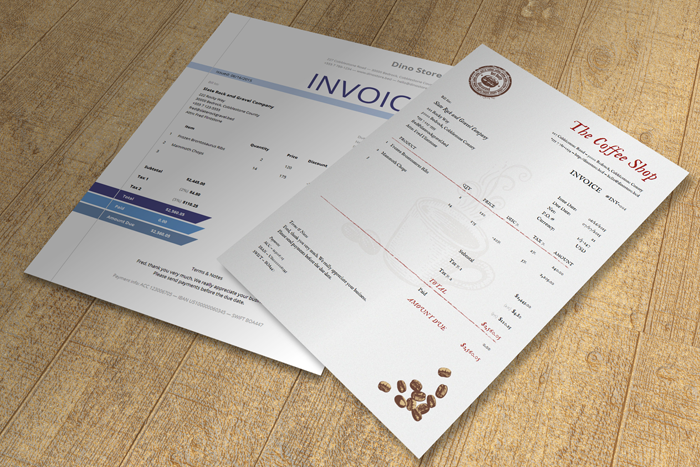
Invoices are a more formal example of transactional mail that must be sent with no marketing purpose, yet remain crucial to your business. Invoicing by post keeps a paper record of recent transactions and displays what is owed and why.
6. Statements
Very similar to invoices, statements give a total breakdown and summary of the figures. They are immensely helpful, offering monthly snapshots and delivering an annual overview of an account.
7. Collection Letters
Collection letters are similar to invoices but written in a more urgent tone. Where an invoice explains what is owed following an order, a collection letter demands immediate action – used, for example, by companies collecting unpaid debts or loans.
8. Renewals
Renewals can be automatic or require customer action, and transactional mail suits both. If a membership is due to run out, a mailing informs the customer either that it will renew automatically with another charge, or that they need to renew before it is cancelled.
9. Changing Agreements or Terms and Conditions
Companies frequently update their agreements and T&Cs, and transactional mail is the best way to emphasise this – making the recipient aware of the changes, letting them read through in their own time, and enabling them to re-sign any outstanding agreements that include the updates.
10. Welcoming New Registrations
One of the most important pieces of transactional mail, sent immediately after a customer signs up. It gives instant confirmation of successful registration – sometimes requesting verification – while delivering a personalised, warm welcome that starts the business–consumer relationship well.
Transactional Mail With The Direct Mail Company
There is a massive range of transactional direct mail available to you, and it’s crucial to make use of each application so you can deliver the most secure and successful strategy from start to finish. These mailings may not carry marketing, but they still need to be well constructed to keep customers happy and returning. Whether you need help managing your data or a mailing house to take care of the physical printing and mailing of your transactional mail, we are here to help. Contact The Direct Mail Company today for more information on our direct mail and bulk postage services at sales@thedirectmailcompany.co.uk or call us on 0333 038 3797.
Transactional Direct Mail: Frequently Asked Questions
What is transactional direct mail?
Transactional direct mail is mail sent to complete a transaction or exchange with an individual customer – any mail not sent for marketing purposes, such as receipts, invoices, statements, confirmations and renewal notices.
What is the difference between transactional mail and marketing mail?
Marketing mail promotes products or offers, while transactional mail completes or confirms an exchange with a specific customer – an order, a payment, an account change or a registration.
What is the difference between an invoice and a collection letter?
An invoice explains what is owed following an order, while a collection letter demands immediate action in a more urgent tone – typically to recover unpaid debts or loans.
Why does transactional mail matter if it isn’t marketing?
Because every receipt, confirmation and welcome letter shapes how the customer feels about your business – well-constructed transactional mail builds trust and keeps customers returning.
Who can print and post my transactional mail?
The Direct Mail Company handles data management, printing and mailing of transactional mail as one secure service. Email sales@thedirectmailcompany.co.uk or call 0333 038 3797.